Introduction
Planning inclusive lessons does not always require completely new teaching methods. In many cases, small adjustments within familiar lesson structures can help more students access learning.
In British Columbia, lesson planning is often guided by the BC Curriculum framework, which emphasizes big ideas, core competencies, and flexible learning pathways. This approach naturally supports inclusive education because it encourages teachers to focus on how students engage with learning rather than expecting all students to demonstrate understanding in the same way.
This page provides practical tools that help teachers design lessons that are both curriculum-aligned and inclusive. The templates and examples demonstrate how inclusive supports can be embedded into everyday lesson planning.
Self-Modified BC Focus Downloadable Lesson Plan Templates
Completed Lesson Plan Example
Lesson Title: Communities and Cultural Diversity
Lesson #: 1
Date: 07.04.2026
Name: Moumita Halder
Subject:Social Studies
Grade(s): 4
Rationale:
This lesson introduces students to the concept of cultural diversity within communities. It supports inclusive education by encouraging students to recognise and value different cultural backgrounds. The lesson is designed with flexible learning options so that all students, including those with diverse learning needs, can access and participate meaningfully.
Core Competencies:
Communication
Students share ideas through discussion, visuals, and/or writing.
Thinking
Students explore how culture shapes communities and make connections.
Personal & Social
Students develop respect for diversity and different perspectives.
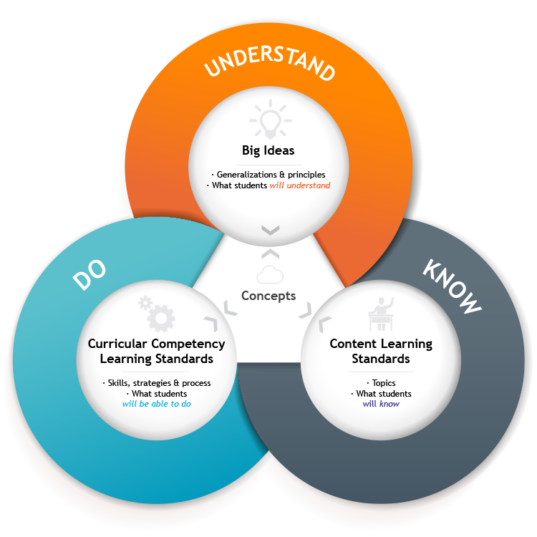
Big Ideas (Understand):
Communities are shaped by people, culture, and environment.
Learning Standards
Curricular Competencies (DO):
- Identify and describe different aspects of communities
- Recognise diversity within communities
- Share ideas and perspectives
Content (KNOW):
- Cultural diversity
- Community characteristics
- Traditions and ways of life
Instructional Objectives & Assessment
Instructional Objectives (students will be able to…):
- Identify one cultural aspect of a community
- Explain how culture contributes to community life
- Represent their understanding in different formats
Assessment:
- Observation of student participation
- Student-created work (drawing, writing, or verbal explanation)
- Informal questioning during discussion
Prerequisite Concepts and Skills:
- Basic understanding of what a community is
- Ability to share ideas verbally or visually
Indigenous Connections / First Peoples Principles of Learning:
- Learning is connected to personal identity and experience
- Students reflect on their own community and sense of belonging
- Emphasis on respect, relationships, and shared learning
Universal Design for Learning (UDL):
Engagement:
- Choice in activity (drawing, writing, speaking)
- Connection to students’ own experiences
Representation:
- Use of images and examples
- Verbal and visual instructions
Expression:
- Multiple ways to demonstrate learning (visual, written, oral)
Differentiate Instruction (DI):
- Provide simplified instructions if needed
- Allow peer support or small group work
- Offer alternative response formats
- Provide additional time for some students
Materials and Resources:
- Images of different communities and cultures
- Chart paper or worksheet
- Drawing materials (paper, pencils, colours)
Lesson Activities
Introduction (10 minutes)
Teacher Activities:
- Show images of different communities and cultural practices
- Ask guiding questions about similarities and differences
Student Activities:
- Observe images
- Share ideas verbally or with a partner
Body (20 minutes)
Teacher Activities:
- Explain activity clearly with examples
- Provide step-by-step instructions
Student Activities:
Students choose one cultural aspect (food, festival, tradition) and create:
- a drawing or labelled diagram
- a short written explanation
- or a verbal explanation
Closure (10 minutes)
Teacher Activities:
- Ask reflection questions
- Facilitate sharing
Student Activities:
- Respond to questions
- Share work with a partner or group
Organizational Strategies:
- Clear instructions provided visually and verbally
- Structured time segments
- Flexible grouping options
Proactive, Positive Classroom Learning Environment Strategies:
- Encourage respectful listening
- Validate all student responses
- Provide a calm and supportive environment
Extensions:
- Students explore their own cultural background
- Create a class community display
- Research another community
Reflections:
- Were all students able to participate?
- Which strategies supported engagement most?
- What could be adjusted next time?